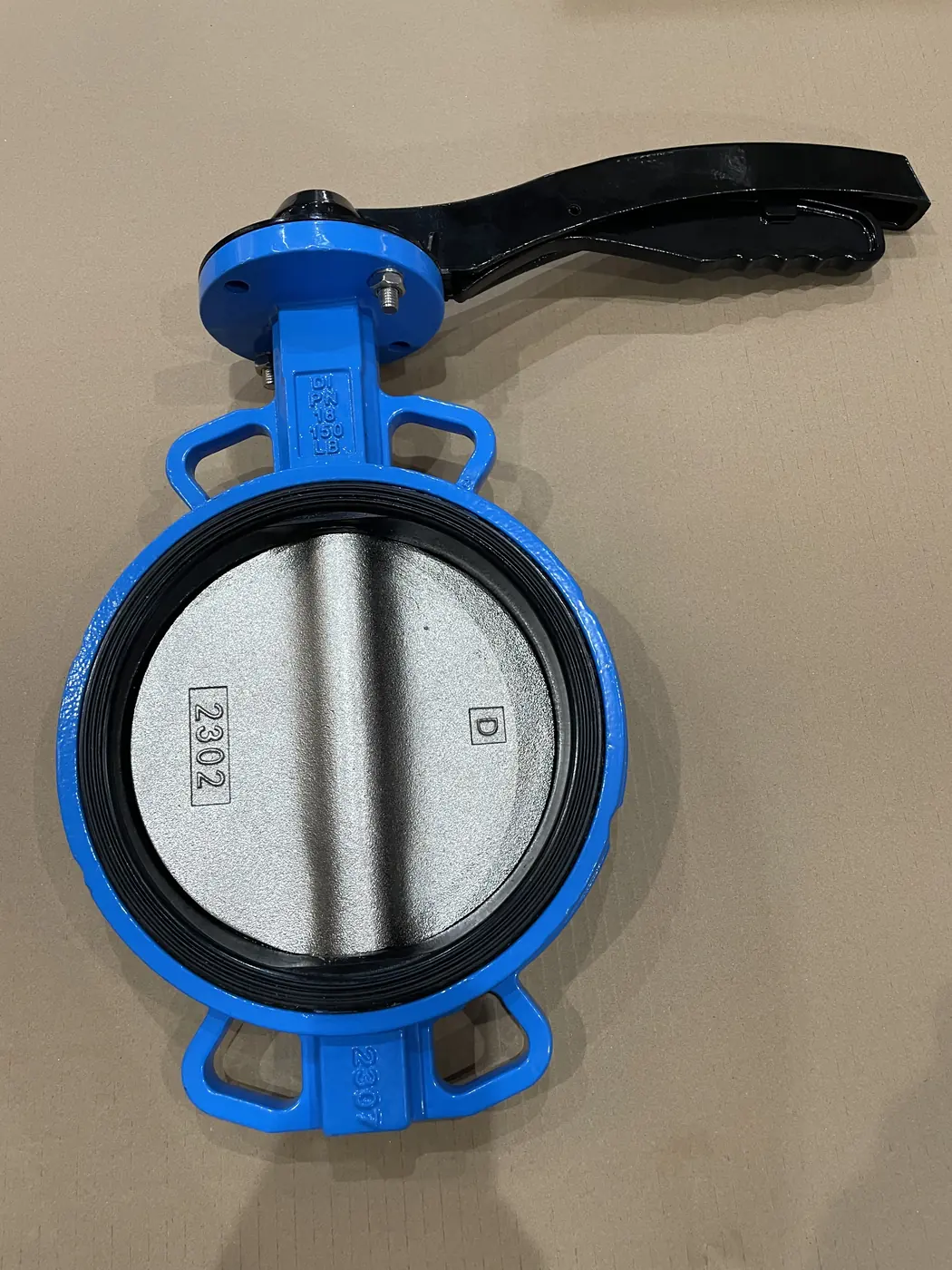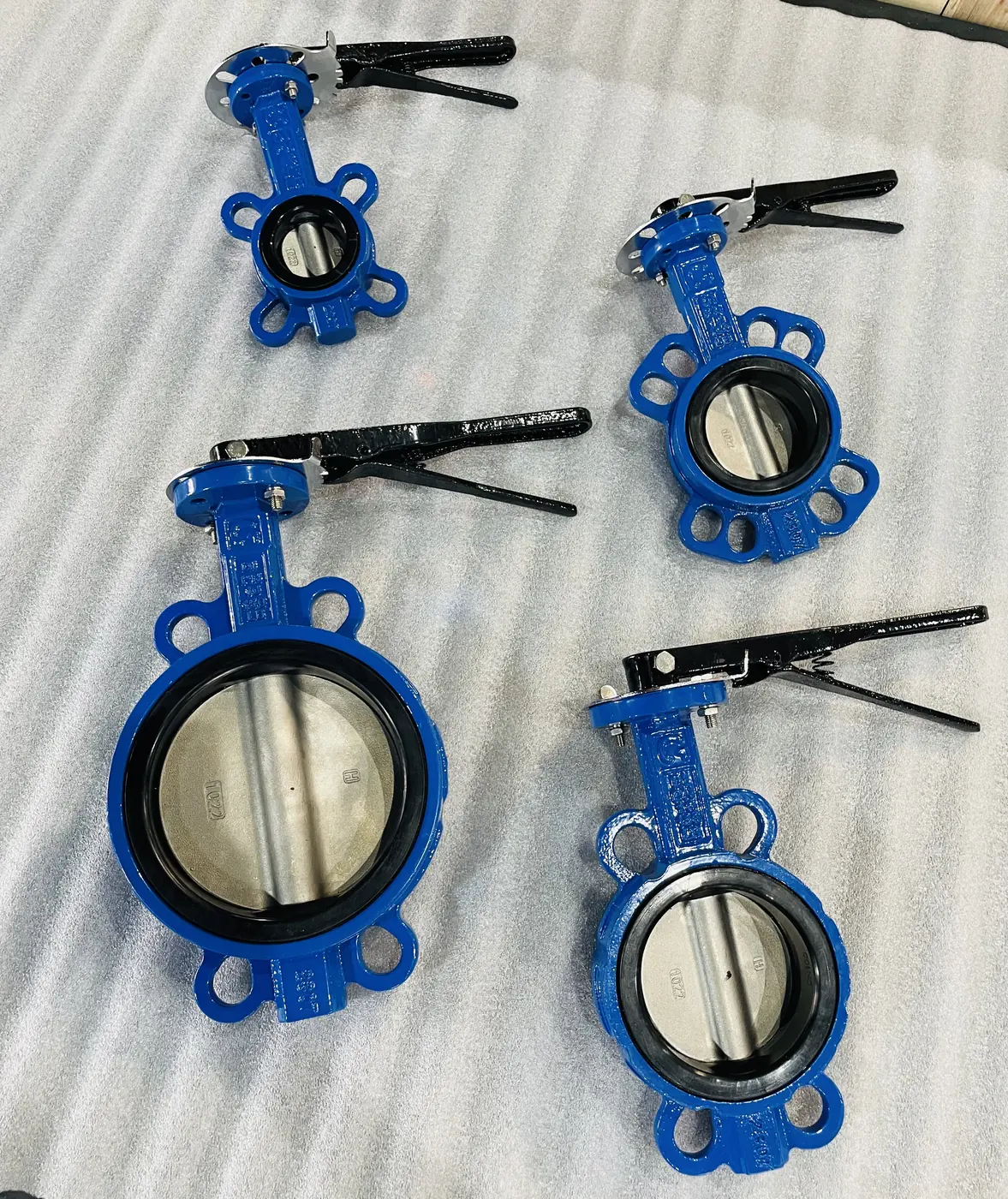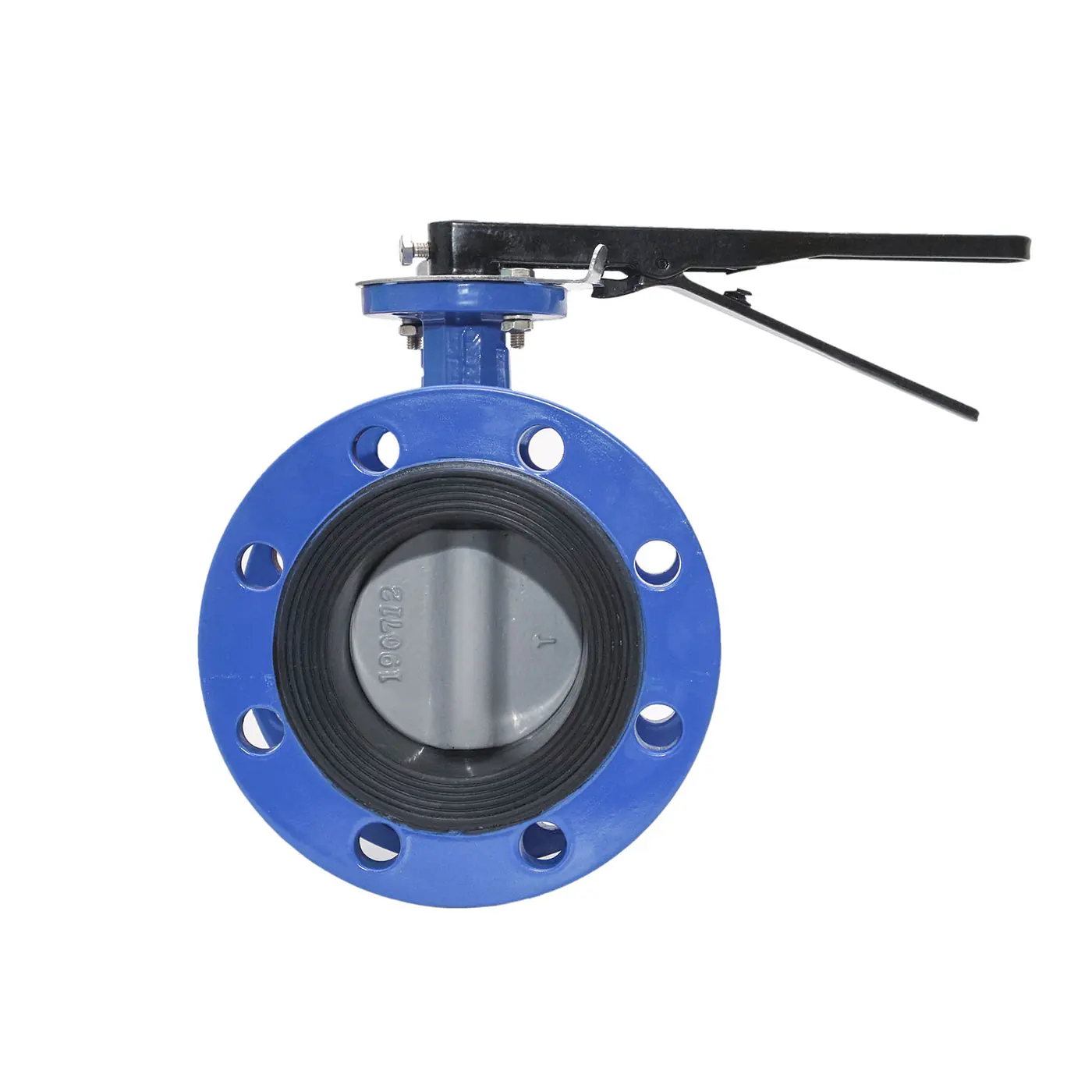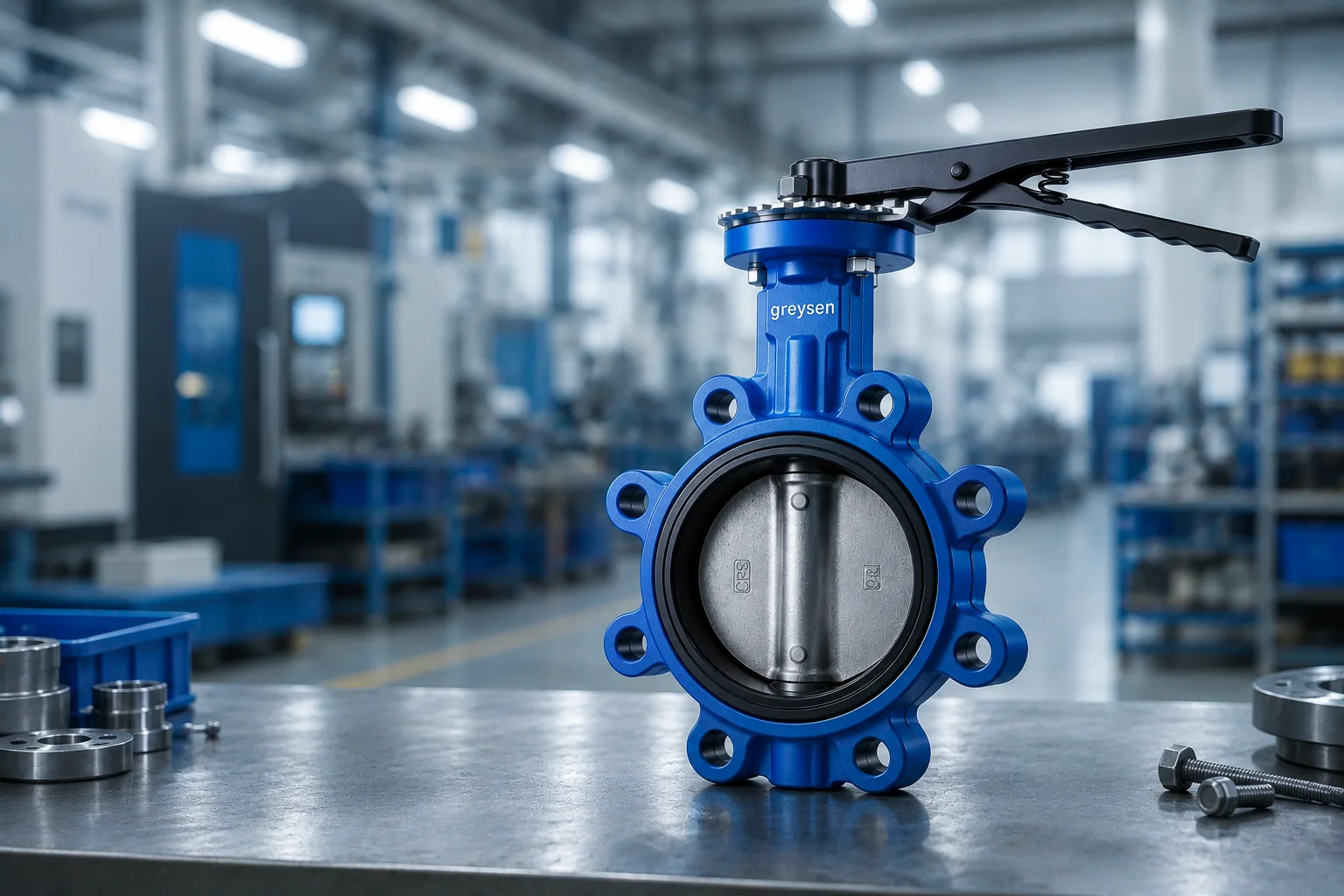
Large-diameter butterfly valves are widely used in raw-water transmission, municipal supply, cooling-water systems and major pumping stations. At DN600 and above, valve selection must consider far more than nominal diameter and pressure class.
Start with the operating envelope
Define design pressure, normal and maximum differential pressure, operating temperature, fluid quality, velocity, cycle frequency and the required closing time. These conditions determine disc design, seat construction, shaft sizing and actuator torque.
Body and seat selection
Double-flanged resilient-seated valves provide rigid pipeline connection for water service, while double-offset and triple-offset designs are suited to higher temperatures, higher differential pressure or demanding shut-off duties. Confirm the seat material against the medium and temperature range.
Actuator sizing
Actuator calculations should include seating torque, bearing friction, hydrodynamic torque and an appropriate safety factor. Large valves may require a gearbox, electric actuator, hydraulic actuator or counterweight arrangement. The actuator must be checked at the lowest available air or supply voltage.
Installation and commissioning
Verify flange alignment, pipe support, disc clearance and preferred shaft orientation before installation. Flush the pipeline, cycle the valve under controlled conditions and record opening time, closing time and limit-switch feedback during commissioning.