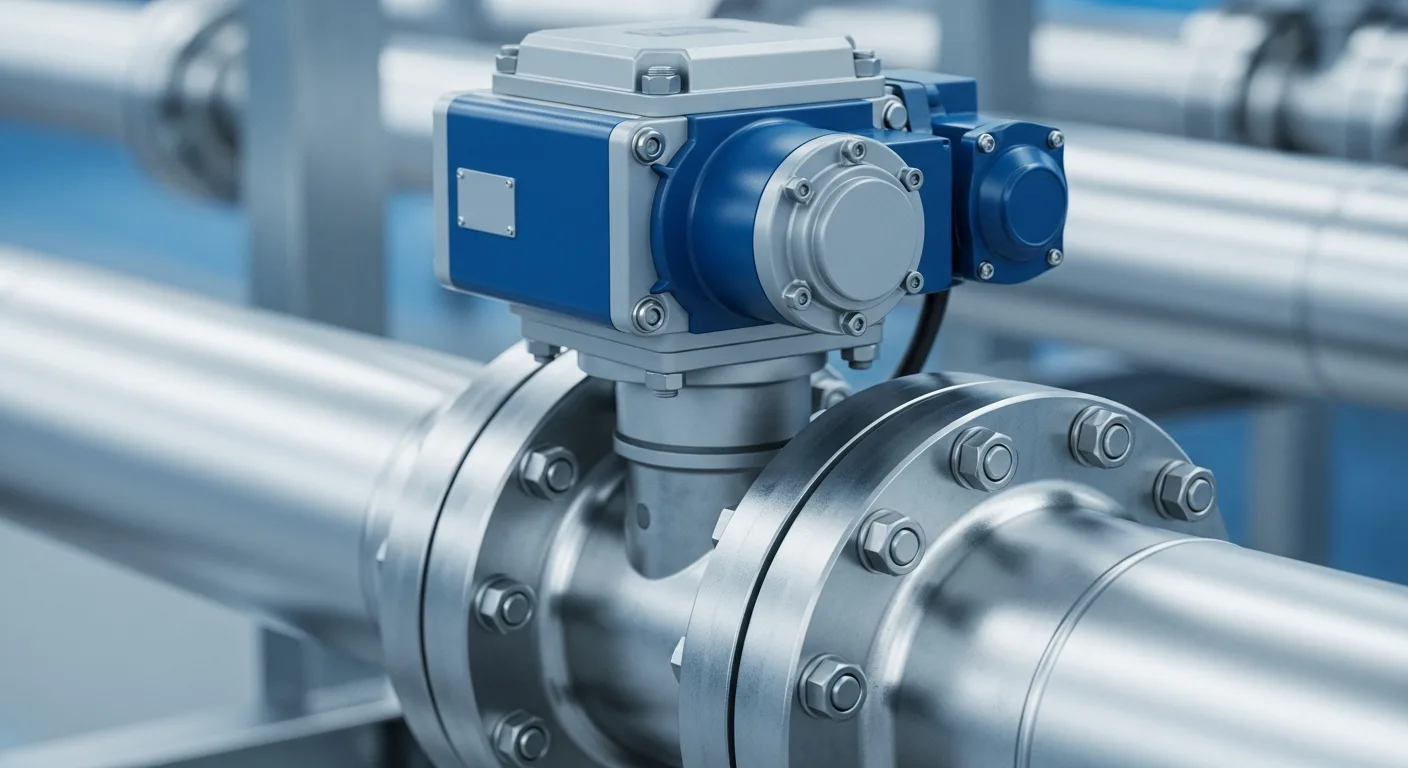
Pneumatic and electric actuators can both automate butterfly valves, but the best choice depends on utilities, operating speed, control duty, environment and lifecycle cost.
When pneumatic actuation fits
Pneumatic actuators are compact, fast and well suited to frequent cycling. Spring-return versions provide a defined fail-open or fail-closed position when air supply is lost. They require clean, dry compressed air and correctly sized solenoid valves and tubing.
When electric actuation fits
Electric actuators are practical where compressed air is unavailable or where long-distance power and signal wiring is easier to provide. They support adjustable travel time, position feedback and modulating control, but enclosure rating, motor duty and ambient temperature must be checked.
Compare the complete system
Evaluate initial cost together with air-generation cost, cabling, maintenance skills, required fail position, hazardous-area certification and access for service. For modulating applications, confirm allowable starts per hour and control accuracy.
Information to provide
Specify valve size, pressure class, maximum differential pressure, required operating time, cycles per hour, available air pressure or voltage, fail position, control signal and enclosure or hazardous-area requirements.