Resilient seated gate valves provide full-bore isolation and low head loss in municipal water, wastewater and fire-protection networks. Reliable service begins with the correct standard, materials and installation method.
Design fundamentals
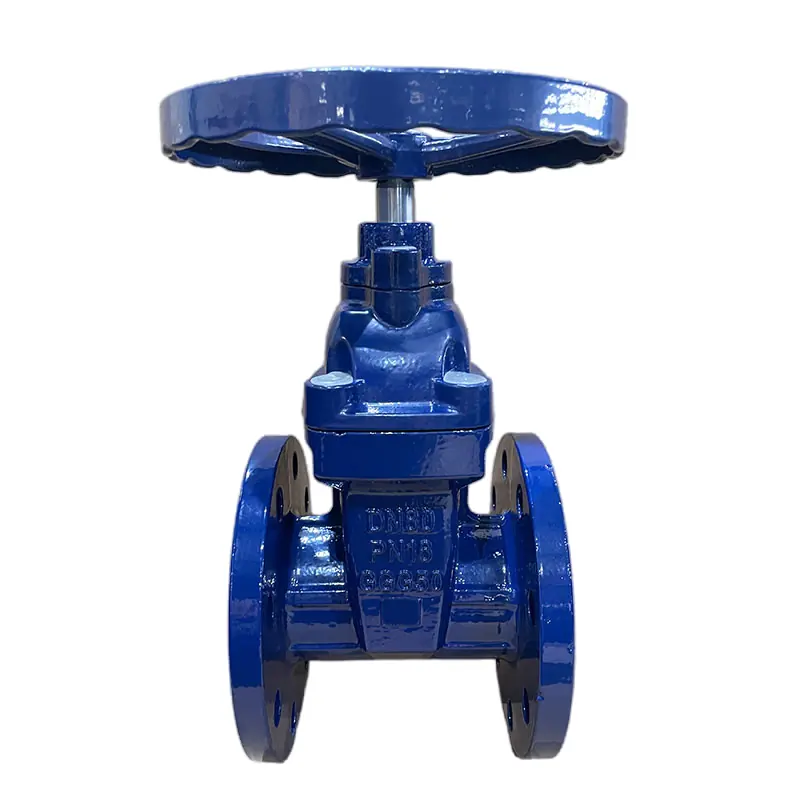
The rubber-encapsulated wedge seals against an epoxy-coated body and accommodates small particles better than a traditional metal-seated wedge. A non-rising stem design keeps the operating envelope compact for buried or chamber installation.
Standards and pressure class
Confirm the applicable project standard, face-to-face dimension, flange drilling, pressure rating and required shell and seat tests. Common project specifications may reference EN, BS, DIN, AWWA or local water-authority requirements.
Materials and coating
Ductile iron bodies, stainless-steel stems and drinking-water-approved elastomers are typical for potable water. Internal and external fusion-bonded epoxy coating should have controlled surface preparation, thickness and holiday testing where specified.
Installation checks
Keep the valve fully open during flushing, avoid using it for throttling, support adjacent pipework and prevent flange stress. For buried service, confirm extension spindle length, surface box location and operating direction before backfilling.