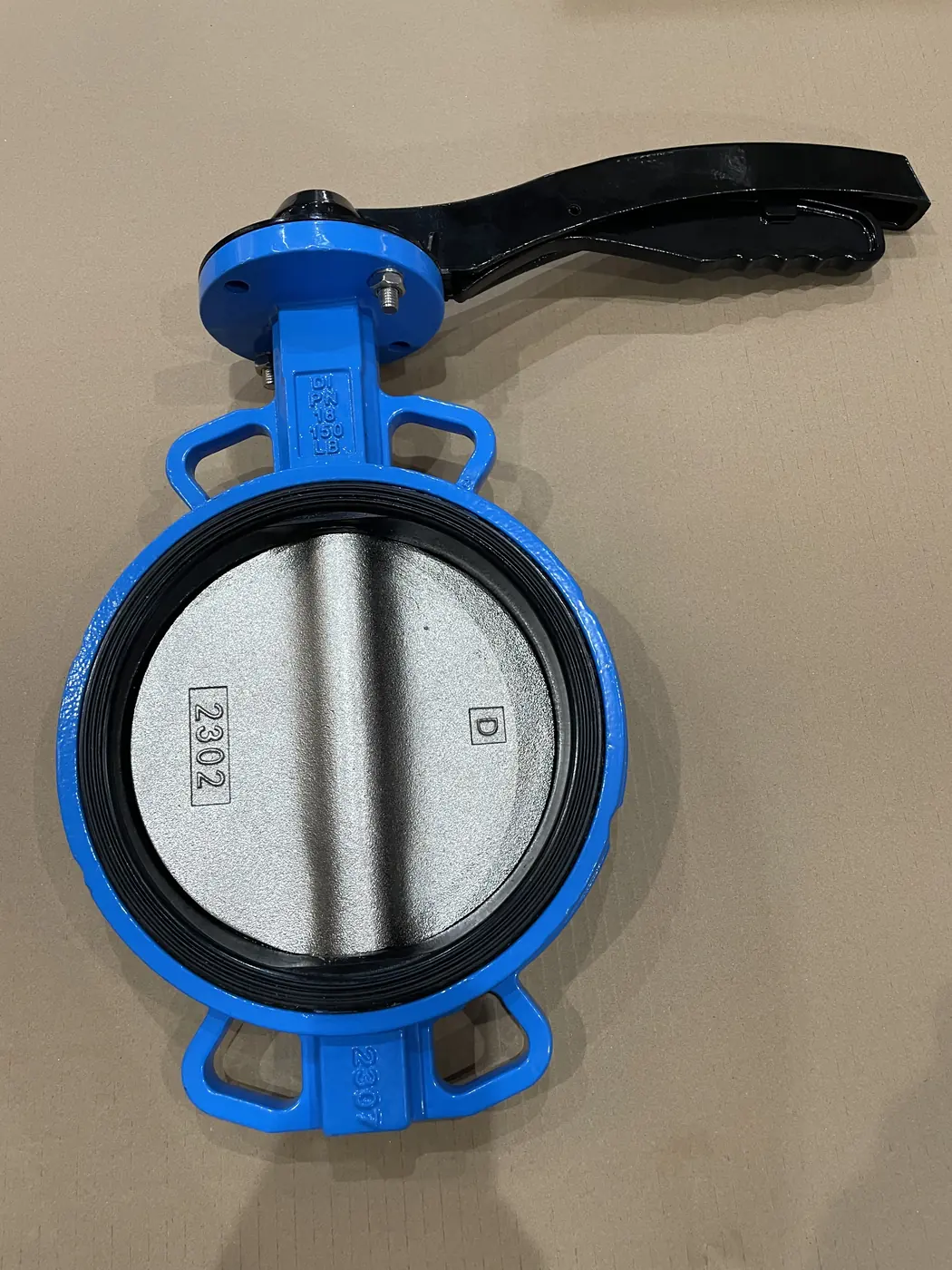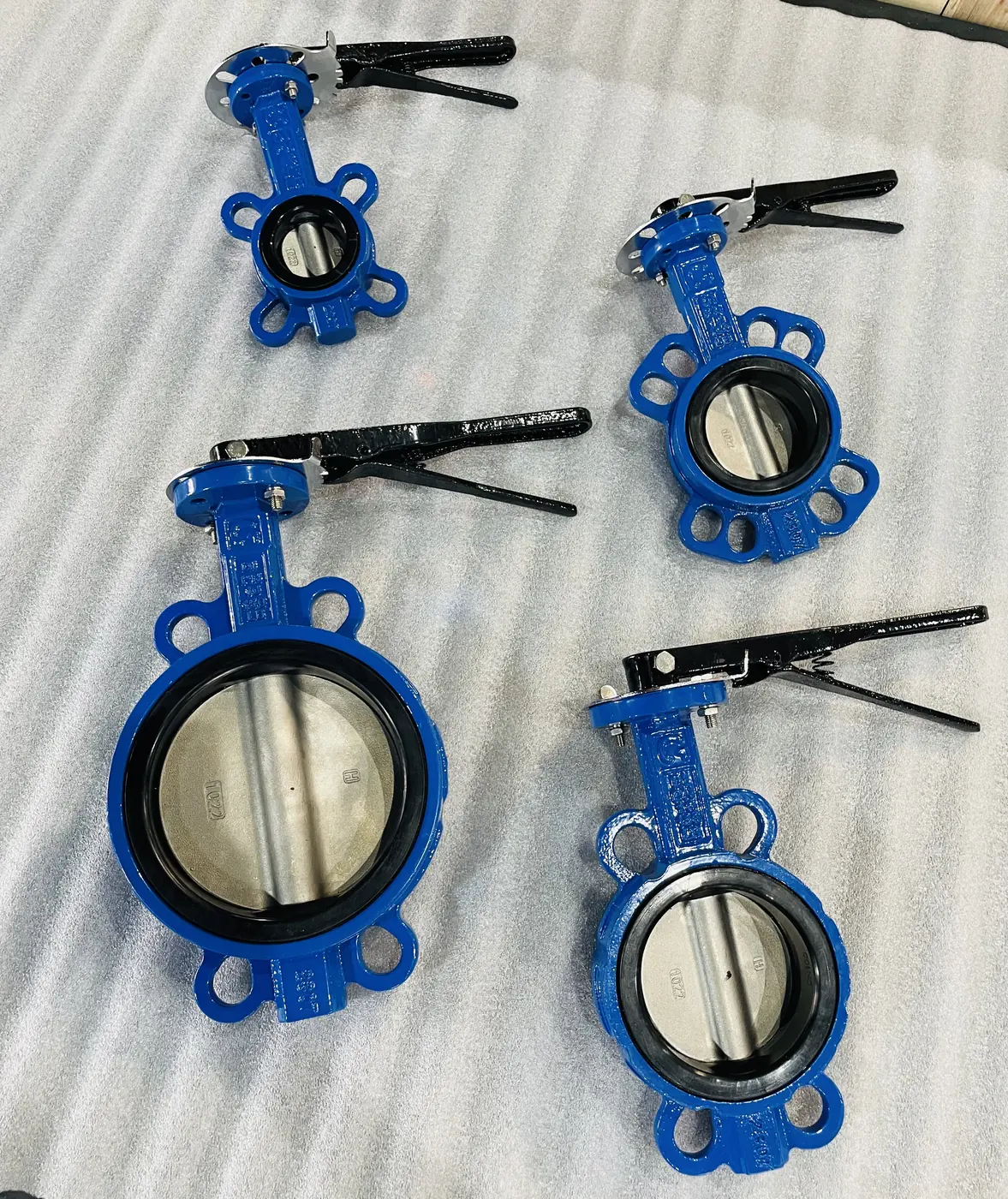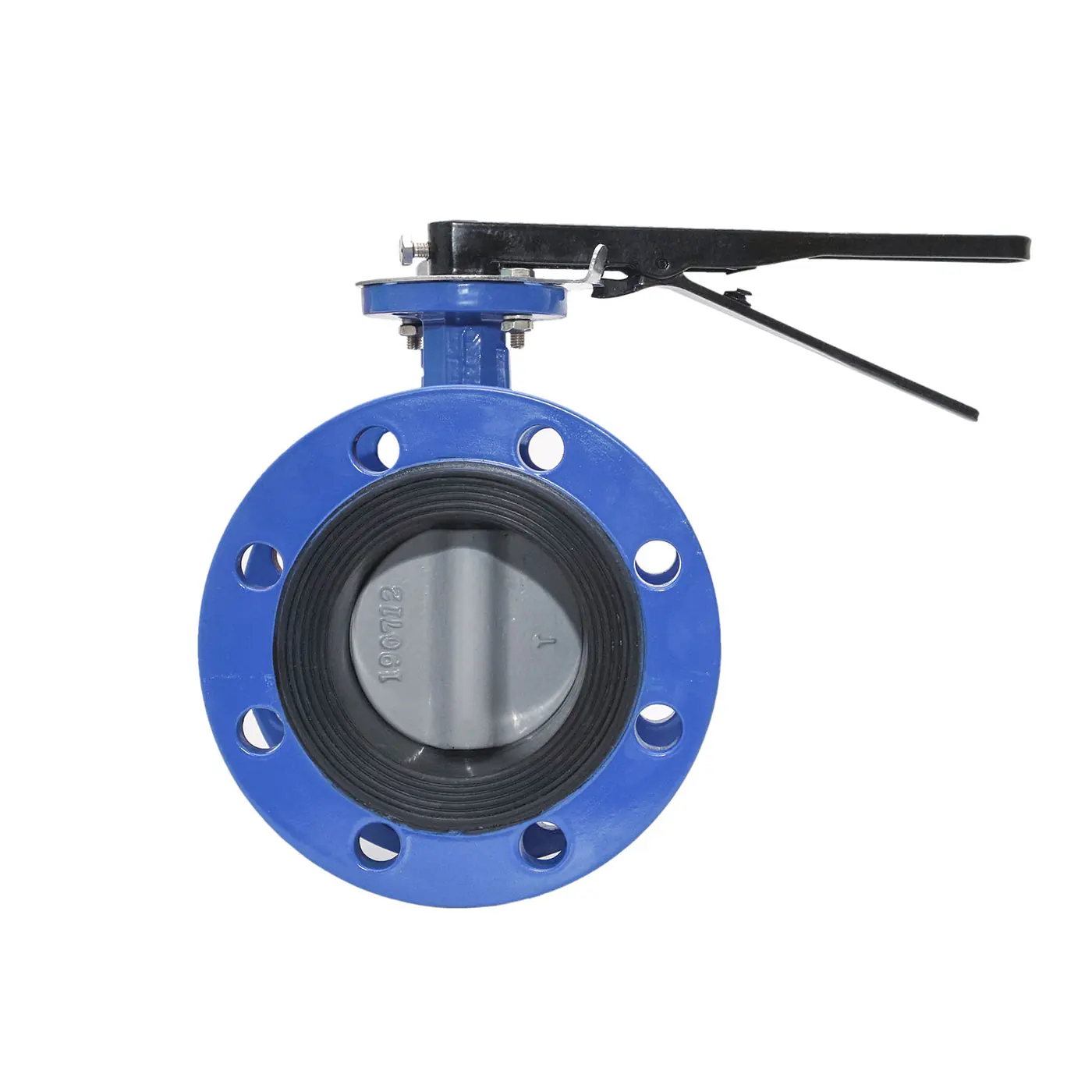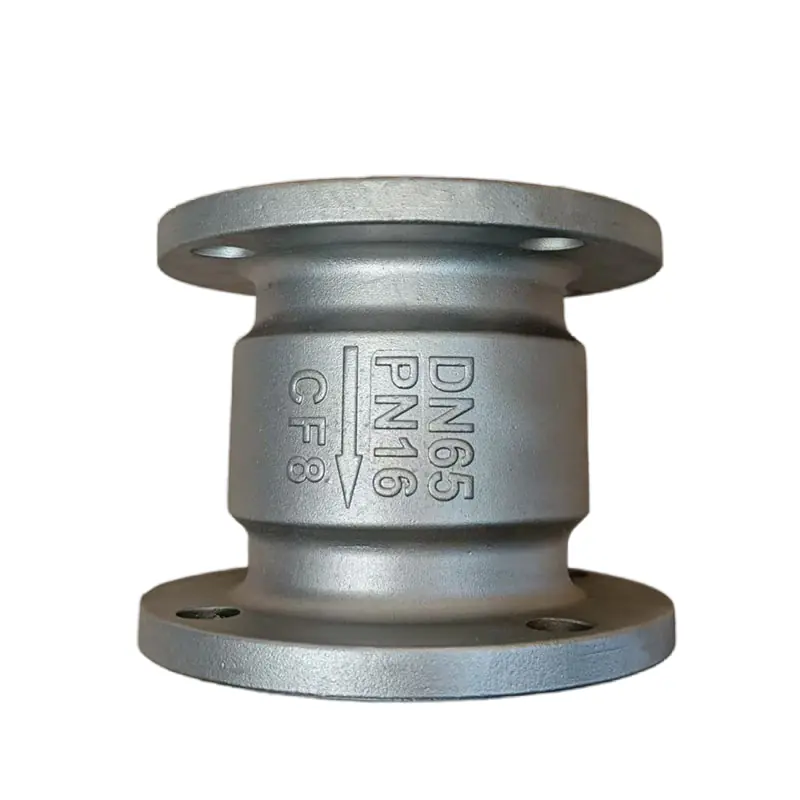
Stainless steel can improve corrosion resistance, but grade selection must consider chlorides, temperature, crevices and galvanic interaction. Stainless steel is not automatically suitable for every corrosive fluid.
Common grades
CF8/304 and CF8M/316-type materials are widely used; higher alloys may be needed for severe chloride or chemical service.
Seat compatibility
The elastomer or liner often determines the practical chemical and temperature limit.
Surface and cleanliness
Food, pharmaceutical or clean service may require controlled finish and cleaning procedures.
Specification
State material standard, wetted-part grades, test requirements and any certification or traceability needs.
Information to include with an enquiry
Provide nominal size, pressure rating, medium, temperature, connection standard, materials, operating method, required testing and project documentation. Greysen will review the duty and confirm the final configuration in the approved data sheet.